
Introduction
Logistics costs are eating into margins across the U.S. economy. The 2026 State of Logistics Report puts national business logistics spending at $2.4 trillion, equal to 7.8% of GDP.
That scale shows how much money moves through trucks, vans, and outsourced carriers every single day. For businesses running their own vehicles while also relying on subcontracted carriers, the complexity multiplies fast.
Many fleet managers still track vehicles through a patchwork of spreadsheets, phone calls, and standalone GPS apps. That fragmented setup creates blind spots
- Subcontractor truck locations go untracked in real time
- Driver safety incidents surface only after an insurance claim arrives
- Fuel and maintenance costs climb without anyone spotting the pattern
A fleet carrier management system fixes that by pulling owned-vehicle tracking and third-party carrier oversight into one dashboard. This guide breaks down what these systems do, the features that matter most, and how to pick one that fits your fleet, whether you run five trucks or five hundred.
Key Takeaways
- Fleet carrier management systems merge owned-vehicle telematics with outsourced-carrier oversight in one dashboard
- Core features include GPS tracking, AI dashcams, maintenance alerts, and compliance documentation
- Fleets using Azuga report a 38% drop in accidents and up to 30% lower operational costs
- The right system scales from a handful of trucks to enterprise-size operations
What Is a Fleet Carrier Management System?
A fleet carrier management system is software that combines two functions companies used to manage separately: fleet management (GPS tracking, maintenance schedules, driver behavior monitoring) and carrier management (selecting outsourced carriers, comparing rates, storing compliance paperwork). Instead of switching between five different tools, a fleet manager sees everything in one place.
The term gets used loosely. Most people say "fleet management software" and mean the same thing. But for a business that owns some vehicles and also contracts third-party carriers for overflow work, the distinction matters. A true fleet carrier management system merges both disciplines rather than handling just one.
The Problem It Solves
Before adopting one of these platforms, data typically lives in silos
- Dispatch boards run separately from GPS devices
- Safety incident reports sit in a different system than maintenance logs
- Carrier contracts and compliance documents get stored on paper or buried in email threads
That fragmentation makes it hard to answer basic questions quickly, like which vehicle is closest to a job site or whether a subcontracted carrier's insurance is current. Fleet managers often piece together answers from separate logins and phone calls, costing time when a customer wants an ETA.
Fleet Carrier Management vs. a Transportation Management System
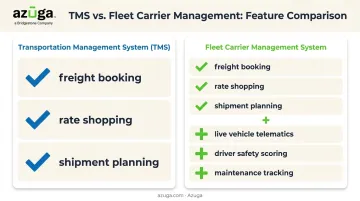
This scattered setup also explains the confusion between a fleet carrier management system and a Transportation Management System (TMS). A TMS focuses on freight booking, rate shopping, and shipment planning, the freight-broker side of logistics.
A fleet carrier management system covers that ground too, but adds the asset-side details a TMS typically skips: live vehicle telematics, driver safety scoring, and maintenance tracking.
A TMS manages what gets shipped and by whom. A fleet carrier management system also manages the vehicles and drivers doing the work.
Who Actually Uses It Day to Day
Dispatchers and fleet managers check the same dashboard daily for
- Live vehicle locations
- Driver safety scores
- Maintenance alerts
- Compliance document status
This setup is most common among service fleets and trade businesses running owned fleets, including construction, HVAC, plumbing, electrical, and utility companies, plus organizations coordinating multiple subcontracted carriers alongside their own trucks.
Key Features of a Fleet Carrier Management System
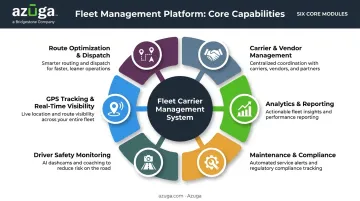
GPS Tracking & Real-Time Visibility
Not all GPS tracking is equal. Some devices ping every few minutes; others report near-continuously. The Department of Transportation notes that fleet GPS data typically refreshes every 30 seconds to 5 minutes or longer, depending on the device and its settings.
Azuga's CompleteFleet plan sits at the fast end of that range, refreshing vehicle location every 30 seconds, a notable jump from the 2-minute intervals common on entry-level plans. That difference matters when a dispatcher needs to reroute a truck around traffic or confirm a driver's exact location during a customer call.
Driver Safety & Behavior Monitoring
AI dashcams have changed what "monitoring" means. Instead of just recording video, systems like Azuga SafetyCam AI use a dual-facing camera to flag real-time driving events, including
- Hard braking
- Sudden acceleration
- Speeding
- Distracted driving Its collision reconstruction feature adds another layer: after an accident, the AI helps piece together what happened, which can protect drivers from unfair blame.
Maintenance & Compliance Management
Automated maintenance alerts catch small problems, like a diagnostic trouble code or an overdue oil change, before they become expensive breakdowns. On the compliance side, features like IFTA mileage reporting and centralized document storage remove hours of manual paperwork, especially for fleets crossing state lines and managing electronic logs for Hours of Service.
Route Optimization & Dispatch
Dynamic routing adjusts for live traffic, accidents, and departure delays instead of relying on a fixed plan built the night before. That keeps fuel consumption and idle time down while improving how often technicians show up on time.
Carrier & Vendor Management
For companies that mix owned trucks with subcontracted carriers, this is where rate comparisons, contract storage, and performance scorecards come in. Comparing carrier costs and tracking on-time performance side by side keeps outsourced partners just as accountable as in-house drivers.
Analytics & Reporting
Dashboards typically surface key performance metrics, including
- Fuel usage
- Idle time
- Accident trends
- Vehicle utilization
Larger trucking operations often benchmark these numbers against industry cost-per-mile averages. Smaller fleets tend to get more value from tracking their own figures over time, since duty cycles vary too much for one outside benchmark to apply evenly across trades.
Benefits of Using a Fleet Carrier Management System
Reduced Accidents & Improved Safety
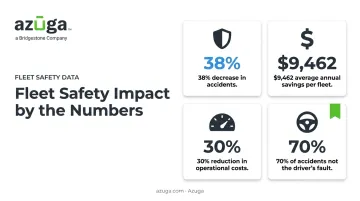
Azuga customers report an average 38% decrease in accidents and a 57% reduction in speeding citations after adopting the platform. Real-time coaching alerts and video-based feedback give drivers a chance to correct risky habits before they turn into claims.
Lower Operational Costs
Fleet-wide visibility exposes waste that's invisible in spreadsheets: idling trucks, inefficient routes, deferred maintenance that snowballs into breakdowns. Azuga reports customers saving an average of $9,462 annually per fleet, with some seeing a 30% reduction in overall operational costs.
Increased Productivity & Reduced Admin Time
Manual paperwork is one of the biggest hidden costs in fleet operations. Automating dispatch notifications, digital time cards, and Hours of Service logs frees up hours fleet managers used to spend on data entry.
FMCSA's own analysis of electronic logging found it saves drivers roughly $558 a year in time spent completing and submitting duty records, and that's before counting the hours dispatchers save on manual check-ins.
Better Compliance & Reduced Liability
When accidents happen, collision reconstruction technology can make the difference between a fair outcome and an unwarranted lawsuit. Azuga's SafetyCam AI is built to help establish fault accurately. The company reports its technology helps demonstrate that 70% of accidents aren't the driver's fault, which can prevent costly litigation and unfair insurance rate hikes.
Improved Customer Satisfaction
Customers don't like guessing when a technician will show up. Real-time tracking and dynamic ETAs that factor in live traffic and delays cut down on "where's my driver" calls and build trust. Features like Azuga's TrackMe let customers see a live map of their technician's location instead of waiting on a static appointment window.
Who Needs a Fleet Carrier Management System?
Any business running vehicles as part of daily operations can benefit, but certain industries see the fastest returns
- Construction and heavy equipment contractors
- HVAC, plumbing, and electrical service companies
- Landscaping and pest control businesses
- Towing and roadside assistance operators
- Waste management and environmental services
- Utilities and telecom field crews
Industry aside, the technology scales in both directions too. A four-truck HVAC company can run the same core platform as an enterprise fleet managing hundreds of vehicles across multiple states. The difference is mostly in reporting depth and support level, not the underlying tools.
Beyond company size, certain triggers tend to push businesses toward adopting a system
- Fuel costs climbing faster than revenue
- A spike in insurance claims or a steep premium increase at renewal
- An upcoming DOT compliance audit
- Fleet growth that has outpaced spreadsheet tracking
If any of those sound familiar, manual processes have probably hit their ceiling.
How to Choose the Right Fleet Carrier Management System
Start With Your Fleet's Actual Needs
Before comparing vendors, get specific about
- Fleet size and expected growth over the next two to three years
- The mix of owned vehicles versus outsourced carriers
- Industry-specific compliance requirements, such as DOT, IFTA, or OSHA rules
A five-van plumbing company and a 200-truck utility contractor need very different reporting depth, even if both are shopping in the same software category.
Prioritize Ease of Installation and Daily Use
A powerful platform nobody uses correctly isn't worth the subscription. Look for
- Plug-and-play hardware that skips the technician visit
- A mobile app drivers will actually open
- A dispatcher dashboard that surfaces the right information without digging through menus
Weigh Total Cost of Ownership and Support Quality
A headline plan rate rarely tells the whole story. Ask vendors about
- Packages matched to fleet needs with no hidden hardware fees
- Contract flexibility, including whether new vehicles can be added without renegotiating
- Availability of round-the-clock support, not just business-hours help desks
For context, providers like Azuga use packages matched to fleet needs and include 24/7 phone support - a useful benchmark when comparing quotes.
Getting these questions answered before signing a contract avoids the most common buyer's remorse in this category: paying for features a team never ends up using.
Why Azuga Is a Smart Choice for Fleet Carrier Management
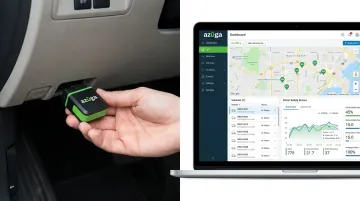
Azuga's OBD-II device plugs into a vehicle's diagnostic port and starts transmitting data in about 20 seconds. No technician, no service appointment, no vehicle downtime. For a fleet owner who can't afford to pull trucks off the road for installation, that matters.
Cost matters just as much as install time. Higher-tier plans add features like SafetyCam AI collision reconstruction and 30-second high-frequency GPS tracking for fleets that need the sharpest possible visibility.
What sets Azuga apart
- Azuga SafetyCam AI: Dual-facing dashcams that flag distracted driving, hard braking, and speeding, plus collision reconstruction that helps exonerate drivers who weren't at fault
- High-frequency GPS tracking: 30-second location updates on the CompleteFleet plan, well ahead of the 2-minute standard on entry-level tiers
- 24/7 unlimited support: Phone, email, and web-based help included, not billed by the incident
- 75+ integrations: Connections with ServiceTitan, Procore, Fleetio, TowBook, and other platforms fleets already use
Whether the goal is tightening up safety scores, cutting fuel waste, or gaining visibility into subcontracted carriers, Azuga's mix of affordable hardware and a flexible SaaS platform fits the need. Growing fleets get room to scale without overhauling their tech stack later.
Frequently Asked Questions
What is the difference between fleet management and carrier management software?
Fleet management software tracks owned vehicles: GPS location, maintenance, driver behavior. Carrier management software helps select and monitor third-party carriers, tracking their rates and performance. A fleet carrier management system combines both into one platform.
How much does a fleet carrier management system cost?
Azuga packages scale with fleet needs, with higher tiers adding features like AI dashcams and high-frequency tracking.
Can small businesses benefit from a fleet carrier management system?
Yes. Small fleets see the same safety and cost benefits as larger ones, including lower insurance premiums, fewer accidents, and simplified compliance, even with just a handful of vehicles.
What features should I look for in fleet carrier management software?
Look for real-time GPS tracking, driver safety monitoring, automated maintenance alerts, and analytics dashboards. These four categories cover most of what a fleet manager needs day to day.
How does fleet carrier management software improve driver safety?
AI dashcams detect risky behavior like hard braking and distraction in real time, while behavior scoring highlights drivers who need coaching. Collision reconstruction tools also help protect drivers from unwarranted blame after accidents.
Does fleet carrier management software integrate with existing business systems?
Most platforms connect with fuel cards, fleet management software, and other business tools. Azuga, for instance, integrates with ServiceTitan, Procore, Fleetio, and more than 75 other systems.