
Refuse collection ranks among the most hazardous jobs in America. Refuse and recyclable materials collectors had a fatality rate of 37.4 per 100,000 full-time workers in 2024, placing the occupation fifth among all US civilian jobs, according to a SWANA summary of BLS's 2024 Census of Fatal Occupational Injuries.
This guide covers how GPS fleet tracking works for waste trucks, why it matters, what it costs, and how to choose a system that fits your fleet.
Key Takeaways
- Dispatchers get live truck positions, route progress, and driver behavior—no phone calls
- GPS-stamped stop records settle missed-pickup disputes and protect municipal contracts
- Route optimization and idle-time tracking cut fuel waste and unnecessary mileage
- Plug-and-play OBD-II devices deploy fleet tracking in minutes, not weeks
What Is GPS Fleet Tracking for Garbage Trucks?
GPS fleet tracking uses a small device installed in each truck to transmit location, speed, and engine data over cellular networks to a central dashboard. Dispatchers see exactly where every truck is, how far along a route it's traveled, and whether a stop has been completed. No radio check-ins required.
Waste-specific setups add a few extra layers
- PTO monitoring: tracks power take-off activity on compactor and lift-arm cycles so you can see real equipment usage
- Geofencing: creates virtual boundaries around landfills, transfer stations, and depots, and flags when a truck enters or leaves
- Stop detection: automatically logs arrival and departure at each collection point
None of this requires manual check-ins. The system builds a digital record of the route as it happens.

Why Waste & Garbage Fleets Need GPS Tracking
The scale of US waste collection is enormous. The EPA's most recent national data shows Americans generate 292.4 million tons of municipal solid waste annually — about 4.9 pounds per person, per day, according to the EPA's National Overview on waste and recycling. Multiply that across thousands of recurring routes, and small inefficiencies compound quickly.
Missed Pickups & Billing Disputes
"Did the truck actually come?" is one of the most common, and costly, disputes waste fleets face. GPS-stamped stop records show exactly when a truck arrived, how long it stayed, and whether it completed the pickup. That timestamped proof resolves disputes fast and protects customer relationships and municipal contracts alike.
Route Inefficiency & Fuel Waste
Real-time tracking exposes where fuel budgets go
- Excessive idling at stops or depots
- Backtracking due to poor route sequencing
- Drivers deviating from planned routes
Comparing planned versus actual routes helps supervisors coach drivers and refine future routing.
Driver Safety & Liability
Refuse collection carries serious risk. NIOSH found 310 occupational fatalities tied to refuse trucks between 2012 and 2022, with a fatality rate over six times higher than the average across all industries — and 74% of those deaths were transportation incidents, according to a CDC/NIOSH report on refuse-truck struck-by injuries and deaths.
Speeding and harsh-braking alerts help fleets catch risky behavior before it becomes an accident. Video evidence adds another layer of protection.

Azuga SafetyCam AI with Collision Reconstruction captures footage automatically when a risky event occurs. Azuga's data shows 70% of accidents are not the fault of the driver, evidence that helps exonerate drivers and resolve claims faster.
Asset & Equipment Security
Trucks and equipment parked overnight at depots are theft targets. Geofence alerts notify managers when a vehicle moves outside authorized hours or leaves a designated zone unexpectedly, adding a layer of security beyond a locked gate.
Maintenance & Compliance
Engine diagnostics flag developing issues (low fluid pressure, battery drain, fault codes) before they cause a breakdown mid-route. Catching these early keeps trucks in service and avoids emergency repair costs.
Key Features to Look for in a Garbage Truck GPS System
Not every GPS system is built for the demands of waste collection. Look for
- Frequent location updates: Azuga's CompleteFleet plan refreshes truck positions every 30 seconds, giving dispatchers near-real-time accuracy for route decisions
- Route playback: Compares planned versus actual routes to spot deviations and coaching opportunities
- Driver behavior scorecards: Flags speeding, harsh braking, and idling trends over time
- PTO and auxiliary equipment monitoring: Shows compactor and lift-arm activity where supported
- Dashcam integration: AI-powered video for accident evidence and driver coaching, including Azuga's SafetyCam Pro and SafetyCam Plus
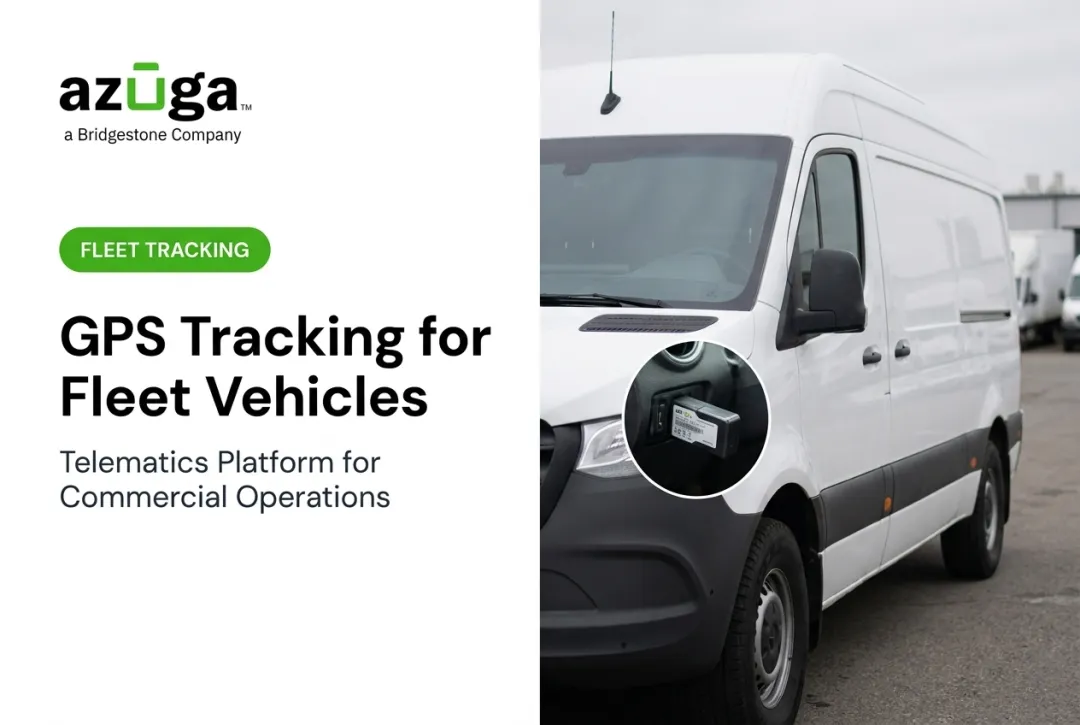
- Plug-and-play installation: OBD-II device that installs in under 20 seconds per vehicle, with no professional install required

Route and Dispatch Integrations
Route optimization and dispatch tools matter as much as the hardware. Azuga's marketplace supports waste fleets running recurring routes with integrations such as
- Elite EXTRA and Route4Me for automated routing
- Jobber and similar field-service platforms for scheduling and dispatch
How Much Does Garbage Truck GPS Fleet Tracking Cost?
For garbage truck fleets, Azuga's tiers illustrate the range
| Plan | Packaging | Key Features |
|---|---|---|
| BasicFleet | Packages matched to fleet needs | Core GPS tracking, 2-minute updates |
| SafeFleet | Packages matched to fleet needs | Distracted-driving monitoring, panic alerts, diagnostics |
| CompleteFleet | Packages matched to fleet needs | 30-second tracking, collision reconstruction, dedicated support |
Dashcam add-ons like SafetyCam AI use packages matched to fleet needs as an add-on, though bundled or promotional pricing is often available.
There's no single verified national benchmark for fuel or accident savings tied specifically to GPS tracking. The Department of Energy notes that driver feedback and behavior monitoring can lower fuel use by 10-25% in federal fleet applications. Treat that figure as a planning range, not a guarantee.
Build your own baseline by tracking fuel-per-mile and incident rates before and after deployment.
Which Is the Best GPS System for Garbage Trucks?
There's no universal "best." The right system depends on
- Fleet size — smaller haulers may not need enterprise-level reporting
- PTO monitoring needs — some fleets prioritize compactor-cycle visibility
- Budget — weigh base tracking against safety and camera add-ons
- Support availability — 24/7 support matters when a truck goes down mid-route
- Integration needs — routing and fuel-card compatibility save admin time
Azuga fits waste fleets that want affordable tracking they can tailor to their routes. Plug-and-play OBD-II hardware, 30-second high-frequency tracking on CompleteFleet, and 24/7 unlimited support make onboarding easy for fleets without dedicated IT staff.
Getting Started with GPS Tracking for Your Waste Fleet
- Start small. Pilot on a handful of trucks to identify problem routes or risky driving behavior before rolling out fleet-wide.
- Set geofences early. Mark depots, landfills, and transfer stations for quick, low-effort wins in security and accountability.
- Track idle time first. It's one of the easiest metrics to act on immediately for fuel savings.
- Choose self-install hardware. A plug-and-play device that installs in under 20 seconds minimizes downtime and onboarding friction.
- Lean on support. A provider offering unlimited phone, email, and web support (like Azuga) helps resolve early implementation questions.

Frequently Asked Questions
How much does fleet GPS tracking cost?
Azuga matches packaging to fleet size and the features you select for basic tracking.
Which is the best GPS for trucks?
Look for easy installation, safety features, and pricing that fits your fleet size. Azuga's plug-and-play device and SafetyCam AI collision reconstruction make it a strong fit for waste fleets.
How does GPS tracking reduce fuel and operational costs for waste fleets?
Route optimization cuts backtracking and unnecessary mileage, while idle-time alerts flag wasted fuel at stops. Driver behavior coaching, based on speeding and harsh-braking data, further improves fuel efficiency over time.
Can GPS tracking help resolve missed-pickup complaints?
Yes. GPS-stamped stop records show exactly when a truck arrived and departed a location, serving as proof of service. This resolves "was it collected?" disputes quickly and protects customer relationships.
Do garbage trucks need specialized tracking features like PTO monitoring?
Yes, when you need visibility beyond location. PTO monitoring tracks compactor and lift-arm cycles so you can tie equipment usage to specific routes and stops.
How quickly can a waste management fleet deploy GPS tracking?
Plug-and-play OBD-II devices install in under 20 seconds per vehicle with no professional installer needed. Most fleets can be up and running within days of receiving hardware.