
Across construction, HVAC, trucking, and service fleets, fleets are moving past basic GPS tracking toward systems that combine video with vehicle data. Verizon Connect's 2026 Fleet Technology Trends Report found that 46% of fleet professionals now use video telematics, up 10 percentage points since 2023.
The pain points driving this shift are familiar to anyone running a fleet: unclear accident liability, climbing insurance premiums, and zero visibility into what drivers actually do on the road. This article breaks down what video telematics is, how it works, its real benefits, and how to pick the right system.
Key Takeaways
- Video telematics pairs dash cam footage with GPS, speed, and engine data for a complete safety picture
- AI automatically flags distraction, drowsiness, and unsafe habits without manual video review
- Fleets using solutions like Azuga have reported a 38% average decrease in accidents
- Resolves disputes faster and can exonerate drivers with clear video evidence
- Plug-and-play OBD-II devices mean no professional installation or fleet downtime
What Is Video Telematics?
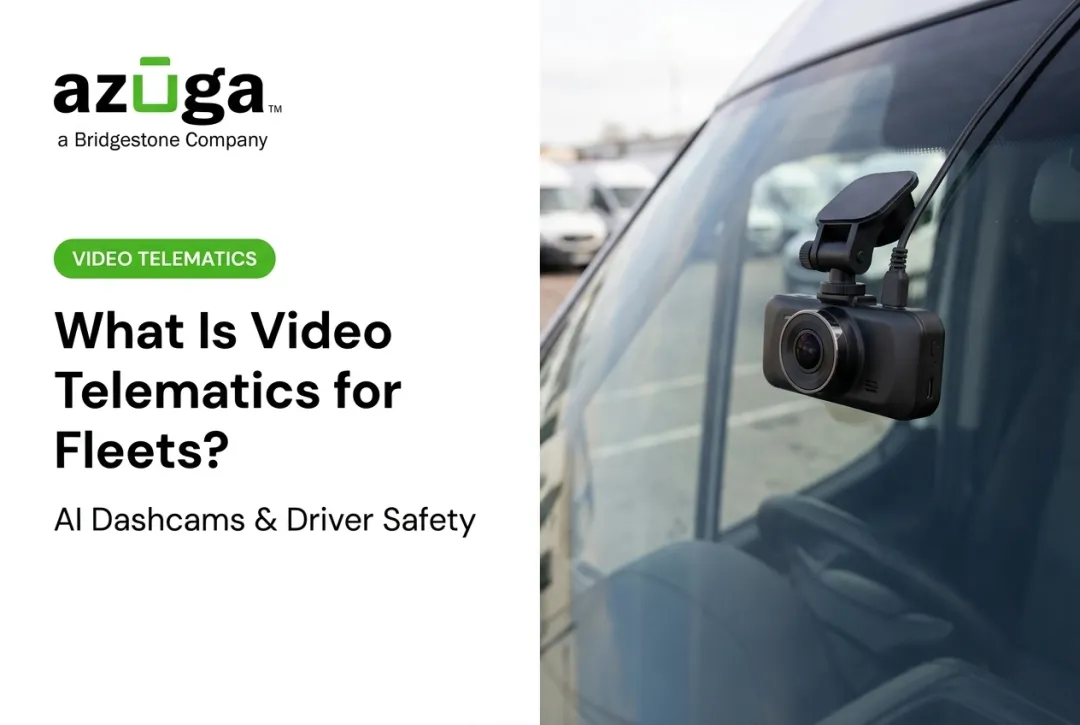
Video telematics is the combination of dash cam footage with telematics data, meaning GPS location, speed, and engine diagnostics, to build a full picture of how a vehicle and its driver behave on the road. Instead of just knowing where a vehicle is, fleet managers see what happened and why. That context is what helps fleets cut crash risk and defend drivers when incidents occur.
Traditional telematics stops at location and diagnostics. Video telematics adds visual evidence and AI-driven behavior analysis. According to Geotab's research, modern systems can automatically detect distracted driving, mobile-device use, tailgating, and drowsiness by linking video to GPS and speed data in real time.
What the System Includes
A video telematics device combines safety and monitoring in one system that
- Records continuous or event-triggered video
- Cross-references footage against speed, braking, and location data
- Uses AI to flag risk without a human reviewing hours of footage
- Delivers coaching alerts directly to drivers
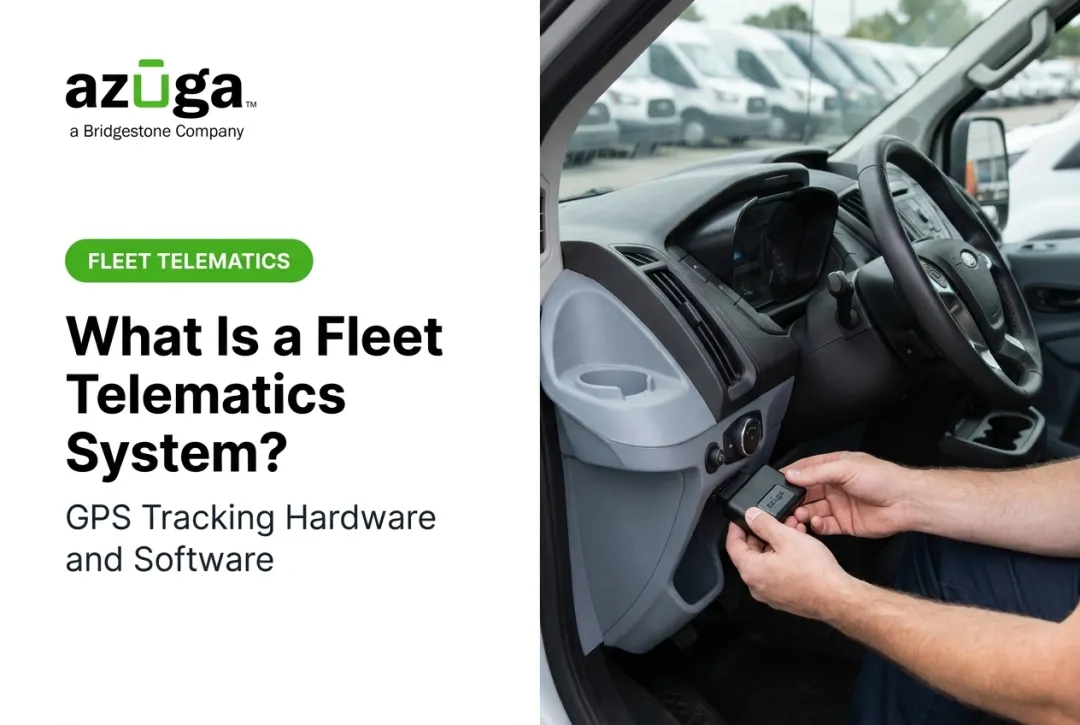
Azuga's approach reflects this shift. The company pairs a self-install OBD-II device with SafetyCam AI, whose neural learning network analyzes driver-facing video for distraction events. Fleets can get running without wiring, a technician visit, or scheduled downtime.

How Video Telematics Works
Data Collection
Road-facing and driver-facing cameras capture footage continuously, while onboard sensors log harsh braking, rapid acceleration, and cornering events. Azuga's device interfaces with the vehicle's computer, GPS satellites, and video camera simultaneously, capturing a synchronized snapshot of the moment.
Data Integration
Video telematics platforms sync camera data with GPS and engine diagnostics on a central cloud platform, giving fleet managers one unified view of video, location, and vehicle data.
Real-Time Alerts
This is where AI does the heavy lifting. Algorithms flag risky behaviors instantly, sending
- In-cab alerts to drivers the moment risky behavior occurs (for example, a voice alert for phone use or no seatbelt)
- Notifications to fleet managers so they can intervene or coach before a habit becomes a pattern
Azuga's Driver Monitoring System uses edge-based AI to detect fatigue, phone usage, and seatbelt non-compliance, triggering voice alerts in real time.
Storage & Analysis
Footage and telematics data are stored securely for incident review, driver coaching, and long-term performance reporting. Fleets also use stored data to spot trends—such as which routes generate the most hard-braking events—and adjust coaching or routing accordingly.
That combination of real-time alerts and post-trip coaching shows up in the data. A 2014 US DOT/FHWA study on heavy-duty trucks found unsafe driving events dropped almost 50% after implementing telematics with driver feedback and coaching, with sleeper-cab red events falling 60%. Azuga's own data shows its integrated safety features, including in-cab alerts and dashcams, reduce high-risk driving behaviors by up to 88%.

Key Benefits of Video Telematics
Video telematics pays off in safety, claims defense, cost control, and compliance. Fleets see the difference in fewer incidents and stronger numbers at renewal.
Improved Driver Safety
Real-time coaching and alerts change behavior before it becomes a habit. Fleets using Azuga's AI-powered safety features have reported a 38% average decrease in accidents and a 57% reduction in speeding citations.
Faster Incident Resolution and Insurance Leverage
When two vehicles collide, video footage settles the "he said, she said." Azuga's SafetyCam AI with Collision Reconstruction has helped demonstrate that 70% of accidents are not the driver's fault. That figure is consistent with NHTSA data on commercial vehicle collisions involving passenger cars.
The same documentation helps on the insurance side. Commercial auto premiums have climbed every year for the past eight years as claims losses increased.
The NAIC notes there's no universal discount percentage tied to video telematics. Insurers still use driving data to assess risk more accurately, so fleets with documented safe-driving records are better positioned during renewal negotiations.
Lower Operating Costs and Stronger Compliance
Visibility into driving habits, idling, and route efficiency cuts waste fast. Azuga customers have reported average annual savings of $9,462 from more effectively managed fleet costs.

Recorded footage and telematics logs also support documentation needs during DOT audits and safety reviews. They won't replace your ELD records, but they strengthen your overall compliance posture when disputes arise.
Types of Video Telematics Cameras
Most video telematics setups use one of three camera configurations. Each captures a different view and supports a different safety goal.
| Camera Type | What It Captures | Best For |
|---|---|---|
| Forward-facing | Road conditions, traffic events ahead | Documenting collisions, near-misses |
| Driver-facing | In-cab behavior: phone use, seatbelt, fatigue | Coaching and accountability |
| Dual-facing AI | Both views plus real-time detection | Comprehensive safety programs |
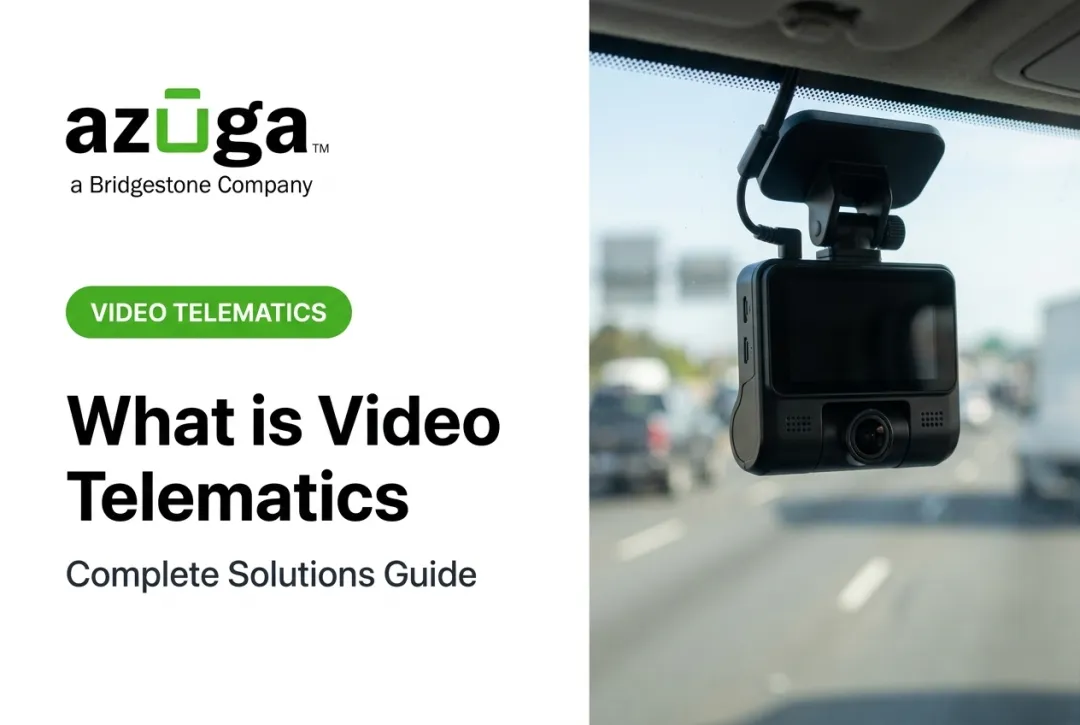
Azuga's SafetyCam Pro and SafetyCam Plus use dual-facing dashcams with a 155-degree, 1080p HD road view. Both also offer a road-facing-only mode for fleets that want a lighter footprint.

Which Industries Benefit Most from Video Telematics
Fleets that face high liability, public exposure, or dispersed field work tend to gain the most from video telematics.
- Trucking and logistics: Cuts liability exposure across long-haul routes and supports fuel efficiency tracking. Southern Tire Mart credited AI-SafetyCam with helping avoid costly lawsuits by proving its drivers weren't at fault.
- Construction, HVAC, electrical, and service fleets: Prevents unauthorized after-hours vehicle use and improves technician accountability at job sites. Service Experts, an HVAC company operating 500 vehicles, deployed SafetyCam alongside fleet management to close those gaps.
- Waste management, utilities, and towing: Improves public safety monitoring in high-traffic, high-risk environments. Marlboro Towing reported better operational efficiency after adding vehicle tracking and safety cameras, with dashboards showing truck utilization and driver behavior side by side.
How to Choose the Right Video Telematics Solution
Not every system fits every fleet. When evaluating options, prioritize
- Easy installation — Look for plug-and-play OBD-II devices that install in minutes, not hardwired setups that need a technician and a day of downtime
- AI accuracy — A system that reliably flags real risk (not false alarms) cuts down on manual footage review
- Packages matched to fleet needs — Fleets range from a handful of vehicles to hundreds; pricing should scale rather than force a one-size-fits-all package
Azuga's device installs in about 20 seconds via the OBD-II port. Packaging adjusts for vehicle types, fleet size, and selected features, whether you're running 4 vehicles or 400.
Frequently Asked Questions
What is video telematics and how does it work?
Video telematics pairs dash cam footage with telematics sensor data such as GPS, speed, and engine diagnostics. AI analysis monitors driver and vehicle behavior so fleet managers get visual context behind the numbers.
Is a video telematics device a tracker?
It includes GPS tracking, but it is more than a tracker. Video telematics adds visual and behavioral data, catching phone use, drowsiness, and other events location data alone can't reveal.
Can video telematics be turned off?
Most systems record continuously to protect fleets from liability and support safety programs. Some settings, like audio recording, may be adjustable depending on the provider and company policy.
How much does video telematics cost for a fleet?
Many providers, including Azuga, use a packages matched to fleet needs model rather than flat public pricing.
Is video telematics worth it for small businesses?
Yes. Lower accident rates and stronger claims documentation usually deliver clear ROI. Small fleets often see the same per-vehicle safety gains as larger ones without enterprise-level budgets.
How does video telematics help with insurance claims?
Recorded footage provides objective evidence of what happened, speeding up claims processing and protecting drivers against false accusations. Insurers increasingly value this documentation when assessing fault and settling disputes.