
Introduction
Trucking is a numbers game with high stakes. Drivers log around 60 hours a week behind the wheel of vehicles that weigh 20 times more than a passenger car.
In 2023, 5,375 large trucks were involved in fatal crashes, resulting in 5,472 deaths, according to NHTSA's 2023 fact sheet. Fatigue and distraction sit at the center of many of these incidents.
Fleets used to react after the fact, pulling paper logs and piecing together what happened. Today, AI-powered driver monitoring systems (DMS) catch risky behavior before it becomes a collision.
This guide breaks down how truck driver monitoring systems work, the benefits they deliver, the privacy challenges fleets need to navigate, and how to choose the right one.
Key Takeaways
- DMS combines in-cab cameras, sensors, and AI to catch fatigue and distraction in real time
- Azuga customers report a 38% average drop in accidents and 57% fewer speeding citations
- Video evidence helps exonerate drivers, since roughly 70% of commercial crashes aren't the truck driver's fault
- Privacy-conscious design (no audio, off-duty privacy modes) builds driver trust and adoption
- Packaging scales with fleet size and features, so a tailored package beats guesswork
What Is a Truck Driver Monitoring System?
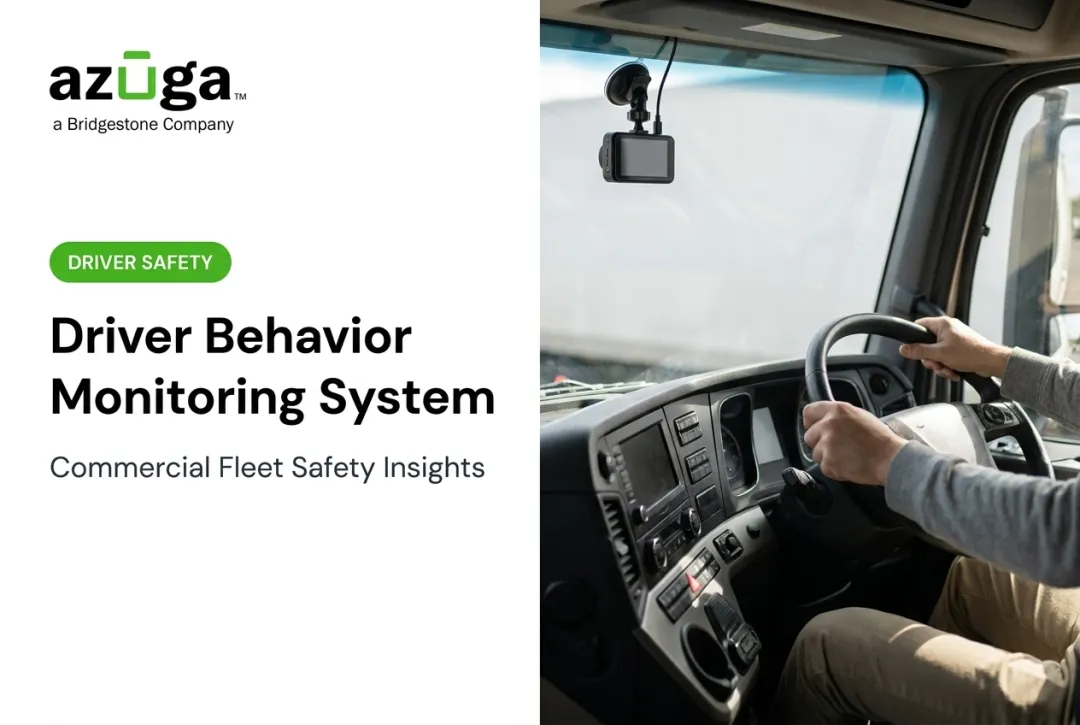
A truck driver monitoring system pairs an in-cab, driver-facing camera with sensors and telematics hardware to track behavior and vehicle data as it happens. That goes well beyond an OBD-II tracker doing basic GPS pings.
DMS vs. ADAS — know the difference:
- DMS looks inward at the driver, watching for eye closure, head position, and gaze deviation
- ADAS looks outward at the road, covering lane departure, blind-spot detection, and adaptive cruise control
Azuga's SafetyCam Pro and Plus combine both, using dual-facing cameras so fleets see what the driver is doing and what's happening on the road at the same time.
The Regulatory Landscape
There's no federal mandate requiring driver-facing cameras on commercial trucks. NHTSA's distraction guidelines (docket NHTSA-2010-0053) are explicitly voluntary and nonbinding.
The ELD mandate does require electronic Hours of Service records, but that obligation is separate from driver-facing monitoring. Azuga's SafetyCam Pro and Plus are both FMCSA 395.15 and ELD compliant.
How Truck Driver Monitoring Systems Work
The Hardware Behind the Scenes
Most driver monitoring system (DMS) setups rely on three components
- Driver-facing cameras that capture facial expressions, eye movement, and head position
- Infrared sensors for low-light and nighttime detection
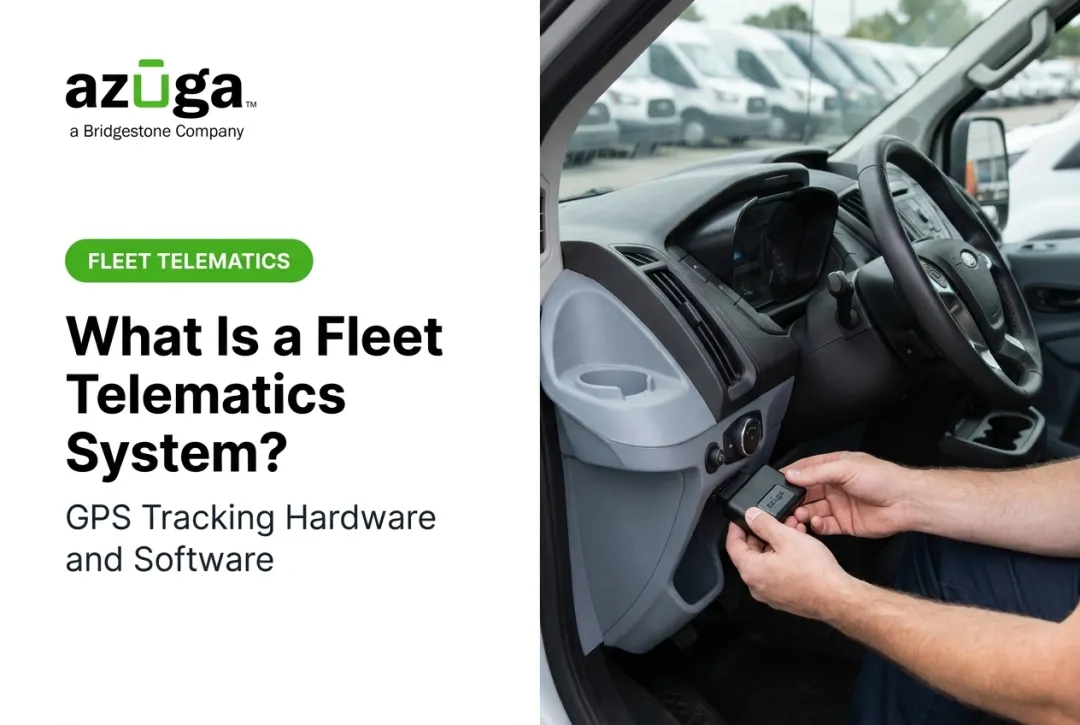
- OBD-II devices that plug into the vehicle's diagnostic port for engine and behavior data

The Azuga Tracker is a good example: it's self-installable in minutes, no technician required.
From Detection to Alert
AI models analyze microsleeps, prolonged blinking, and gaze deviation to flag risk. Researchers call the gap between distraction and a potential collision the "moment of risk": typically a 3-5 second window where an alert can still prevent an incident.
When the system detects danger, it triggers
- Audible in-cab alerts that prompt drivers to self-correct
- Dashboard warnings for immediate awareness
- Event logging for harsh braking, speeding, and cornering, classified by severity and routed to fleet managers
Azuga's AI neural learning network analyzes driver-facing video for distraction events and tags the underlying cause so fleet managers can coach to the root of each event.
Edge vs. Cloud Processing
On-device (edge) processing means alerts fire instantly, even with weak cellular connectivity. Cloud processing handles the heavier lifting, like storing trend data and video for later review. The best systems use both: instant edge alerts for driver safety, cloud storage for coaching and claims documentation.
Key Benefits of Truck Driver Monitoring Systems
Fewer Accidents, Fewer Citations
A 10-point increase in driver scores correlates with a 57.4% reduction in accident risk, and hard-braking events alone raise accident risk by 20.1%.
Azuga customers see this play out in real numbers
- 38% average reduction in accidents
- 57% average reduction in speeding citations
- $9,462 in average annual savings from better fleet cost management

Lower Operating Costs
Monitoring also cuts everyday waste. Improving four key driving behaviors can boost fuel efficiency by up to 15%. Reliable Fire & Safety saw fewer harsh-braking events, lower fuel costs, and less vehicle wear after switching to Azuga, with wear-and-tear reductions averaging 50% across the fleet.
Liability Protection That Actually Pays Off
NHTSA data shows roughly 70% of commercial vehicle accidents involving a passenger car aren't the truck driver's fault. Without video evidence, that claim is hard to prove in a dispute. With footage on hand, fleets can document what actually happened.
Southern Tire Mart used AI-SafetyCam footage to avoid numerous frivolous lawsuits, saving tens of thousands of dollars. Azuga's SafetyCam AI with Collision Reconstruction turns that footage into evidence built for claims review.
Coaching That Drivers Actually Respond To
Scorecards work best when drivers can see them, not only fleet managers. Azuga supports that loop in three ways
- Driver Scores let drivers track their own performance and compare with peers
- Azuga Coach sends targeted training videos tied to flagged behaviors
- FleetMobile rewards let managers reinforce good habits, not only call out mistakes

Challenges and Privacy Considerations
Driver pushback is real, and pretending otherwise doesn't help anyone. Fleet managers hear the same concern from drivers: driver-facing cameras often feel weak on privacy. Transparency has to come first, or adoption stalls. What builds trust:
- No continuous recording: cameras activate on risky events or while driving, not around the clock
- Privacy mode for off-duty hours, letting drivers switch the camera off when the shift ends
- No audio recording by default (required in all-party consent states such as California and Washington)
- Clear communication about what's captured and why
Avoiding Alert Fatigue
Over-alerting for minor events erodes trust fast. If a system pings for every slight lane wobble, drivers tune it out and then miss the alert that actually matters. A tiered, severity-based system fixes this: minor events get logged for coaching later, while high-risk events (harsh braking, sudden distraction, near-collision patterns) trigger real-time alerts. Azuga captures data during driving or risky events only, which protects privacy and keeps alerts tied to moments that warrant attention.

Choosing the Right Truck Driver Monitoring System
Not every DMS fits every fleet. Here's what to evaluate
Must-have features:
Real-time GPS tracking and route visibility
Event recording with severity classification
Driver scoring and coaching tools
Customizable reporting
Mobile accessibility for managers on the go
Plug-and-play OBD-II devices you can install yourself in minutes
Packaging that scales with fleet size and features
Azuga's platform is built around these criteria. The Azuga Tracker is self-installable OBD-II hardware with no professional install required.
Fleet tracking plans use packages matched to fleet needs depending on tier. SafetyCam AI is available as a optional add-on with dual-facing HD cameras and collision reconstruction. The platform scales from 5 vehicles to 50,000+, with 24/7 phone, email, and web support.
Frequently Asked Questions
What is a driver monitoring system device?
A driver monitoring system is an in-cab hardware unit, typically a camera paired with sensors and an OBD-II or telematics connection. It observes driver behavior and alerts on unsafe patterns like drowsiness or distraction in real time.
What is the difference between a dash cam and a driver monitoring system?
A dash cam simply records video for later review. A DMS actively analyzes driver-facing footage with AI to detect and alert on risky behavior as it happens, not after the fact.
How much does a truck driver monitoring system cost?
Packaging scales with fleet size, hardware choices, and features selected. Most providers, including Azuga, offer flexible packages rather than flat rates. Optional add-ons are available as needs grow.
Do driver monitoring systems record audio?
Many privacy-conscious systems, including Azuga's, don't record audio by default. They also offer privacy modes that disable the camera during off-duty hours.
Are truck driver monitoring systems required by law in the US?
No. Current federal regulations focus on ELD and Hours of Service compliance, not driver-facing cameras. DMS adoption is voluntary, though increasingly recommended for safety and insurance benefits.
How do driver monitoring systems help with insurance claims?
Video and sensor evidence can prove a driver wasn't at fault, speeding up claims resolution. Fleet data shared with insurers can also help lower premiums over time.