
Introduction
A driver returns a rental truck. The paint has a fresh scratch along the rear panel. Nobody can agree when it happened, or who's responsible.
Without a documented baseline, this becomes a costly he-said-she-said dispute.
This scenario plays out daily across fleets, dealerships, and shipping companies. A vehicle condition report template solves it. It's a structured document that records a vehicle's exterior, interior, and mechanical status at a specific point in time.
Fleet managers, auction inspectors, and rental companies rely on these templates to protect against liability claims and streamline insurance processes. This article covers what to include, how to rate condition objectively, and how digital tools are changing the inspection process.
Key Takeaways
- Standardized templates keep exterior, interior, and mechanical condition documented the same way every time
- Condition reports protect fleets in liability disputes and speed up insurance claims
- Consistent rating terms (Excellent, Good, Fair, Poor) reduce inspector-to-inspector variation
- Templates plus GPS tracking and dashcam footage create stronger evidence when disputes arise
What Is a Vehicle Condition Report Template?
A vehicle condition report template is a repeatable document format used to record a vehicle's physical and mechanical state at a specific moment. Think of it as a snapshot you can compare against a later one to see what changed.
Who Uses These Templates
Common users include
- Fleet managers tracking vehicles across construction, HVAC, trucking, and delivery operations
- Dealers and auction inspectors documenting condition before resale
- Rental and leasing companies verifying condition at pickup and return
Businesses running multiple vehicles typically use templates at three points
- Pickup
- Drop-off
- Pre-trip or post-trip inspections
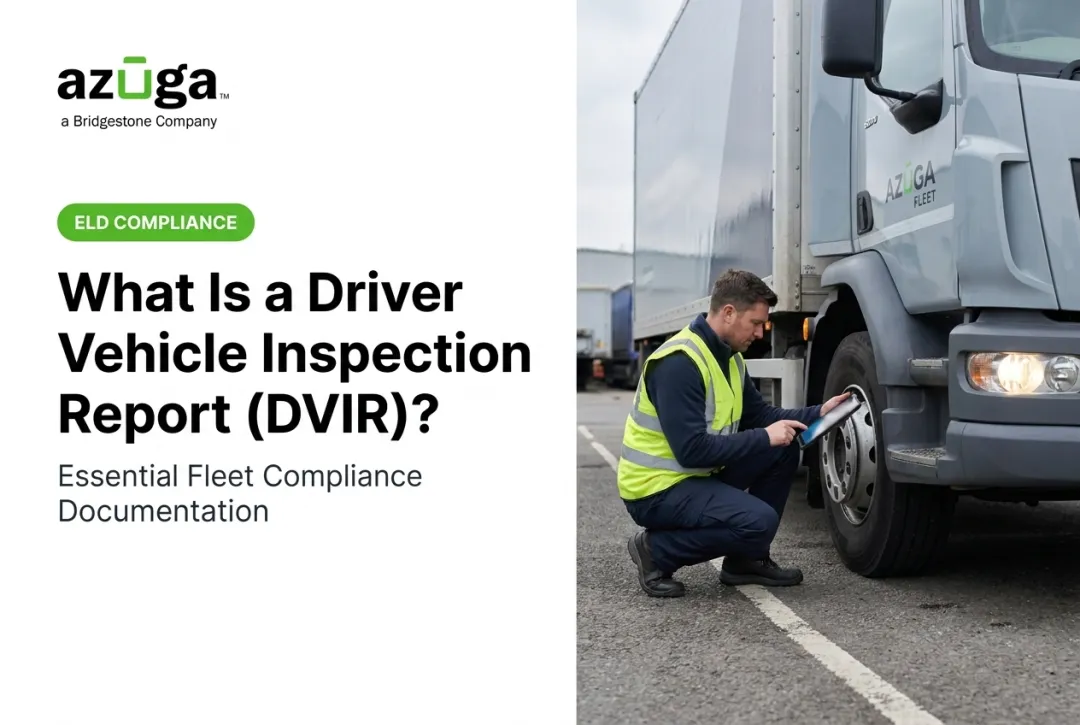
That same documentation supports compliance. Under 49 CFR 396.11, motor carriers must obtain a written end-of-day inspection report for each vehicle operated, identify any safety-affecting defects, and confirm those defects were fixed before the vehicle runs again.
Why Vehicle Condition Report Templates Matter for Fleet Operations
Vehicle condition report templates solve four operational problems that hit fleets hardest
- Prevent liability disputes. Document pre-existing damage before handoff so there's no argument later about who caused it—especially when multiple drivers share the same vehicles.
- Support insurance claims. Dated, photographed before-and-after reports speed claims processing. Insurers want evidence, not recollections.
- Track wear for maintenance. Reports compiled over time reveal patterns that help plan replacements and estimate depreciation.
- Meet regulatory requirements. Many states mandate daily inspection documentation. New York DOT requires a written post-trip report each driving day; Minnesota requires drivers to inspect each commercial vehicle daily.
Where Technology Strengthens the Record
Manual condition reports establish a baseline, but they have limits. A written note that a bumper was "fine" at pickup doesn't hold up as well as timestamped photo evidence combined with GPS location data.
Pairing templates with fleet telematics closes that gap. Azuga's SafetyCam AI with Collision Reconstruction captures dual-facing HD video and uses the footage to reconstruct incidents.
Azuga reports that 70% of accidents are not the fault of the driver. Reconstructed evidence helps exonerate drivers and avoid costly litigation. In one documented case, stored dashcam footage showed a driver wasn't at fault, avoiding more than $50,000 in forensic reconstruction costs and a potential $1 million claim.

What to Include in a Vehicle Condition Report Template
A thorough template covers four categories plus supporting documentation fields.
Vehicle and inspection identifiers:
- VIN, make, model, and year
- Mileage/odometer reading
- License plate number
- Inspection date and time
- Driver or inspector name
Exterior assessment fields:
- Paint condition (scratches, chips, fading)
- Dents and body damage
- Glass and windshield condition
- Mirrors, lights, and reflectors
- Tire tread depth
Interior assessment fields:
- Upholstery and seat condition
- Dashboard and instrument panel
- Carpets and headliner
- Infotainment system function
- Accessories and equipment
Mechanical/functional checks:
- Engine performance and fluid levels
- Brakes and parking brake
- Transmission function
- Warning light status
- Steering and horn
A vehicle damage diagram removes ambiguity that text-only notes leave behind. Inspectors mark exact damage on a simple vehicle outline, so later reviews do not rely on guesswork.

Supporting documentation fields complete the record
- Photo or video attachments of noted damage
- Digital signature of the driver or inspector
- Timestamp for when the inspection was completed
How to Rate and Describe Vehicle Condition
Consistency across inspectors matters as much as thoroughness. Most fleets and dealers use a scale similar to
| Rating | General Description |
|---|---|
| Excellent | No visible defects, like-new condition |
| Very Good | Minor cosmetic wear, fully functional |
| Good | Normal wear, no mechanical issues |
| Fair | Noticeable wear, minor mechanical concerns |
| Poor | Major defects, significant mechanical issues |
The Fair-to-Poor line causes the most disagreement, so define it clearly. Poor condition means major mechanical defects, frame damage, or severe interior wear that affects usability—not just appearance. A car with a cracked dashboard and worn seats might rate "Fair." Frame damage plus multiple system failures puts a vehicle in "Poor."

The most important rule: reports must stay factual, not opinion-based.
Strong notes sound like this
- "3-inch scratch on rear passenger door, below trim line"
- "Tread depth 4/32 on LF tire; uneven wear on outer edge"
Weak notes sound like this
- "Door looks kind of rough"
- "Tires are worn"
Objective, measurable language is what makes these reports useful as insurance or legal documentation later. An inspector's personal impression carries little weight; specific observations do.
Best Practices for Using and Maintaining Condition Report Templates
Getting the template right is only half the job. How you use it determines whether it actually protects your fleet.
- Inspect before and after every use. A before-and-after pair creates a defensible record—one report shows condition at a moment; two show what changed and when.
- Go digital. Mobile templates capture timestamps, attach photos on the spot, and cut the lag between inspection and filing.
- Combine condition reports with fleet telemetry. Pair the checklist with GPS location and driver behavior data so you see the full operational picture, not a one-time snapshot.
Those practices stick when the workflow is digital end to end. Azuga's eDVIR module is built for that shift
- Drivers run customizable pre-trip and post-trip inspections in a mobile app
- Speech-to-text entry and time-stamped submissions cut paperwork delays
- Maintenance teams track defect history and repair status in a web dashboard
- Workflows align with FMCSA regulations 396.11 and 396.13
Add Azuga's plug-and-play OBD-II device—installable in minutes without a technician—plus 24/7 phone and email support, and fleet managers get cleaner oversight across vehicles and job sites.

Frequently Asked Questions
What is a condition report for a car?
It's a structured document recording a vehicle's exterior, interior, and mechanical condition at a specific point in time. Fleets, dealers, and rental companies commonly use them before and after transport, sale, or rental.
What is considered a poor condition for a car?
Poor condition typically includes extensive exterior damage, significant interior wear, non-functional components, and multiple mechanical issues that affect drivability. It's distinct from cosmetic wear alone.
How often should fleet vehicles be inspected using a condition report?
Most fleets complete pre-trip and post-trip inspections as a baseline, especially for commercial motor vehicles under FMCSA rules. Frequency also depends on vehicle type, usage intensity, and state requirements.
Are vehicle condition reports legally binding documents?
They usually serve as supporting evidence in disputes and insurance claims, not as standalone contracts. Signed, dated, and well-documented reports still carry significant weight when liability is contested.
Can a vehicle condition report help with insurance claims?
Yes. Dated, photographed reports clearly show a vehicle's condition before and after an incident, which streamlines the claims process and reduces back-and-forth with adjusters.
What's the difference between a vehicle condition report and a vehicle inspection checklist?
Inspection checklists often focus narrowly on safety and operability, like brakes or lights. Condition reports document the broader cosmetic and mechanical state for record-keeping and liability purposes.